
Build your case before covering the margin
Collect the listings, promotion details, and pricing history your team needs to respond to a retailer’s funding request.
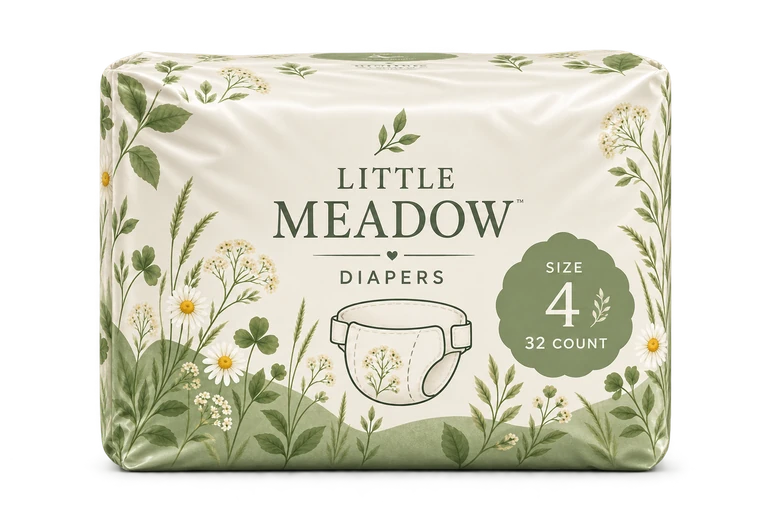
Disposable diapers · Size 4 · 32 count
$9.98
Price remains low
June 17–30 · previously $11.97
Disposable diapers · Size 4 · 32 count
$11.97
Promotion ended
June 17–30 · promotion was $9.98
| Daily checks | Retailer A | Retailer B |
|---|---|---|
| June 10–16 | $9.98 | $9.98 |
| June 17–30 | $9.98 | $11.97 |
Retailer A requests funding for June 10–30. The brand questions why its price stayed low after Retailer B’s observed price returned to $11.97.
What evidence should we gather before responding to a retailer’s margin request?
Keep the retailer’s calculation, dated price observations, and screenshots of the listings it may have matched. Add your promotion records and any funding already agreed for the affected product. Together, these let you check the amount requested and explain where you disagree.
What is the retailer asking you to pay?
Check the UPC, dates, units sold, and amount in the request. Ask for the calculation if it is missing. You need to know which price and sales period the retailer used before you can check the charge.
Review any funding already agreed with that retailer for the same product and period. If some of the requested amount appears to be covered, identify the agreement and ask how it was included in the calculation.
Example: the promotion ends, but the other retailer’s price stays low
Your brand sells the same 32-count pack of size 4 diapers at two retailers. In this fictional example, your account team arranges a $9.98 promotion at Retailer B from June 10 through June 16.
Retailer A normally lists the pack at $11.97, but drops to $9.98 during the promotion. From June 17–30, daily checks show Retailer B back at $11.97 while Retailer A remains at $9.98. Retailer A asks your brand to cover lost margin for June 10–30.
The listings have the same diaper range, size, and count. Your question is why Retailer A kept the lower price after Retailer B’s price returned to $11.97, and why your brand should fund that continued reduction.
| Record | What it shows in this example |
|---|---|
| Retailer A’s request | The requested funding covers June 10–30. |
| Retailer A’s dated price checks | $9.98 at every daily check from June 10–30. |
| Retailer B’s dated checks and promotion record | The same pack was promoted at $9.98 on June 10–16. Every daily check on June 17–30 showed $11.97. |
Retailer B’s promotion may explain the original drop. Its scheduled end date alone would not establish that the lower offer disappeared. The dated checks show that Retailer B’s observed price actually returned to $11.97.
Those checks don’t establish why Retailer A kept its price low. It may have matched another offer or made a separate pricing decision. Ask which offer, if any, supported the continued price match.
State which dates you dispute
Attach the price observations and identify the part of the request you disagree with:
“Our promotion at Retailer B ended June 16. The attached daily checks show its 32-count size 4 diaper pack back at $11.97 from June 17–30, while your price stayed at $9.98. We don’t think we should cover the continued reduction based on that promotion. If you were matching another offer during those dates, please share it so we can review that part of your request.”
This states the brand’s position on June 17–30; it does not establish that the retailer must restore its price or withdraw the request. Review its explanation, the funding calculation, and your account agreement before deciding what to pay. Daily checks show prices at specific times, not the price of every sale.
What should the listing screenshots include?
Save the URL, seller, date and time, exact pack contents, and purchase conditions with each screenshot. A $9.98 subscription price may not be available to someone buying one pack without a subscription.
Check promotion dates with the account team that arranged them. If the products differ, document the difference using the pack-size comparison guide.
Price Oversight finds likely source listings and gathers screenshots and comparison details. Your team supplies its account records and handles the retailer discussion.